Solitary bees, collective impact
Together we can provide a safe place for solitary bees to thrive
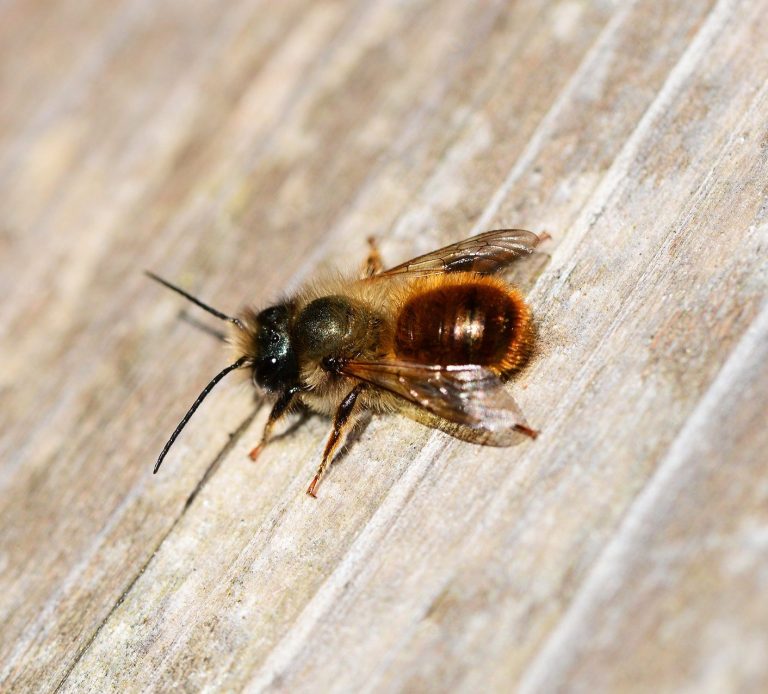
Growing greatness, one bee at a time
Many of our solitary bee species are in decline. Here at the Solitary Bee Nursery we hope to encourage more people to take on the responsibility for looking after them and stopping this downward trend.
What are Solitary Bees?
We've all heard of honey bees and bumblebees.... so what are solitary bees?
Why are they called solitary bees?
When most people think about bees (as more and more of us are doing these days) they tend to think about either honey or bumble bees whereas actually, they only make up a small percentage of the bees that we have in the UK.
Honey and Bumblebees are known as social bees – they have a queen and a hive (although they are very different in the way that they do it).
Solitary bees on the other hand, don’t live socially – no queen, and no hive. In the UK we have around 250 species of solitary bees, all of which are under threat due to loss of habitat.
Are they good pollinators?
Absolutely yes. Around one third of the food that we eat is dependent on pollinators. Because of the way that solitary bees collect pollen, they are thought to be 120 – 200 times more efficient pollinators than honeybees!
Do they sting?
Generally no, they don't.
Solitary bees have no nest or honey supply to protect, so they don’t sting. The males often don’t have a sting, and the females will only sting if severely provoked.
This means they are safe to encourage into your garden or allotment.
How you can help
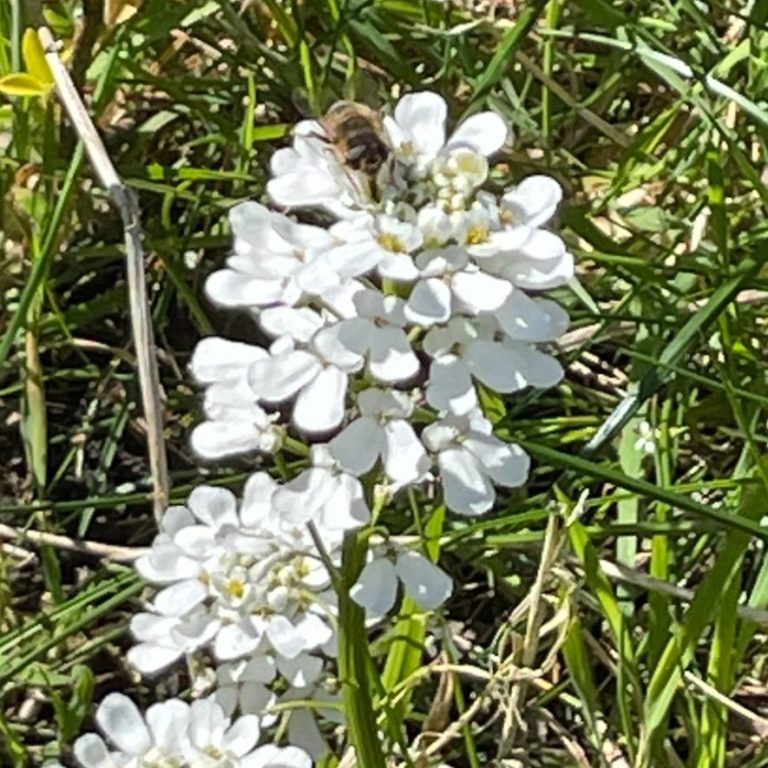
Plant for Pollinators
In the UK, residential gardens make up around 30% of the urban area. So whether you have a garden, an allotment or a window box, you can make a difference.
Planting pollinator friendly plants that flower from early spring to late autumn gives our solitary bees the pollen and nectar they need to thrive.
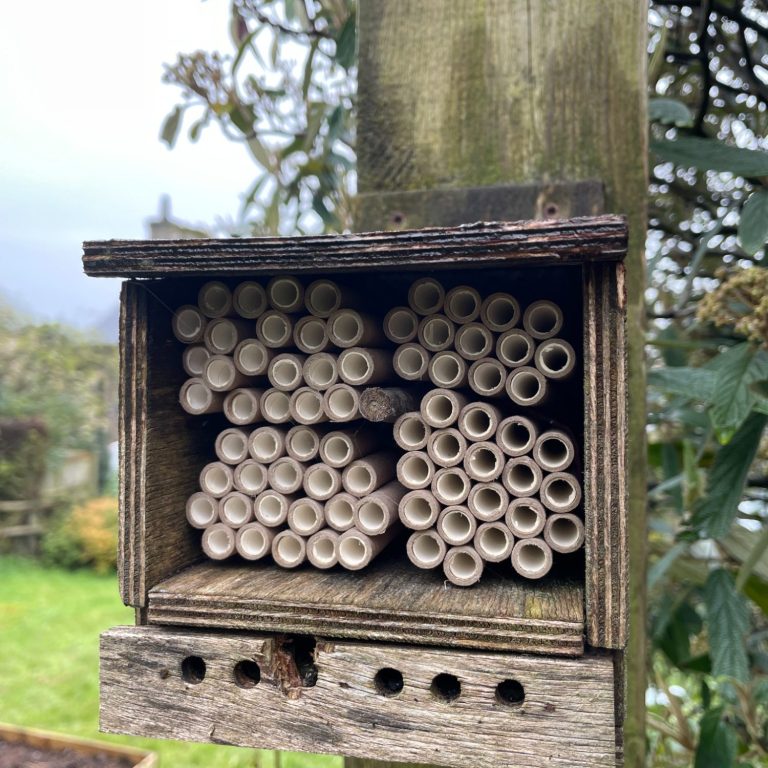
Create Nest Sites
Solitary bees don't create hives, but do need somewhere safe to breed. Different species have different preferences, but in general:
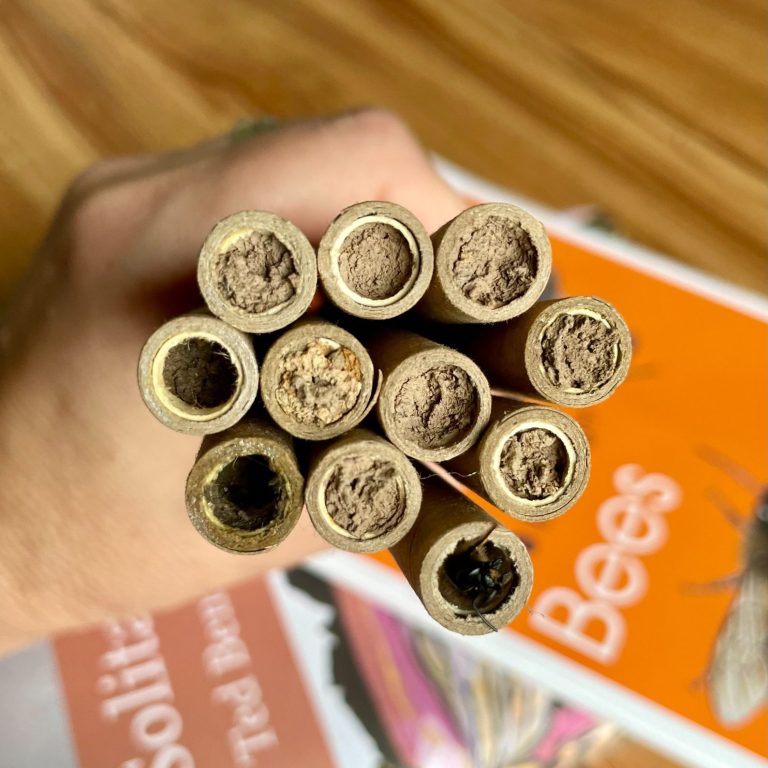
- Cavity Nesting Bees like to use ready made spaces like hollow twigs. Putting up Bee Nest Boxes (not bug hotels) can provide them with a safe space for their cocoons to develop. The most comment species to use these are Red Mason Bees, Blue Mason Bees and Leafcutter Bees.
- Ground Nesting Bees prefer to dig into bare, sandy soil - you will often see them buzzing around sunny, well trodden paths.
Send us your Tubes
If you get bees nesting in your Nest Box, and you are using cardboard tubes, send them to us and for a small fee we will check them for parasites, overwinter them safely and send them back to you ready to emerge in the Spring.
A new life...
Want to see a Red Mason Bee hatching? Of course you do....
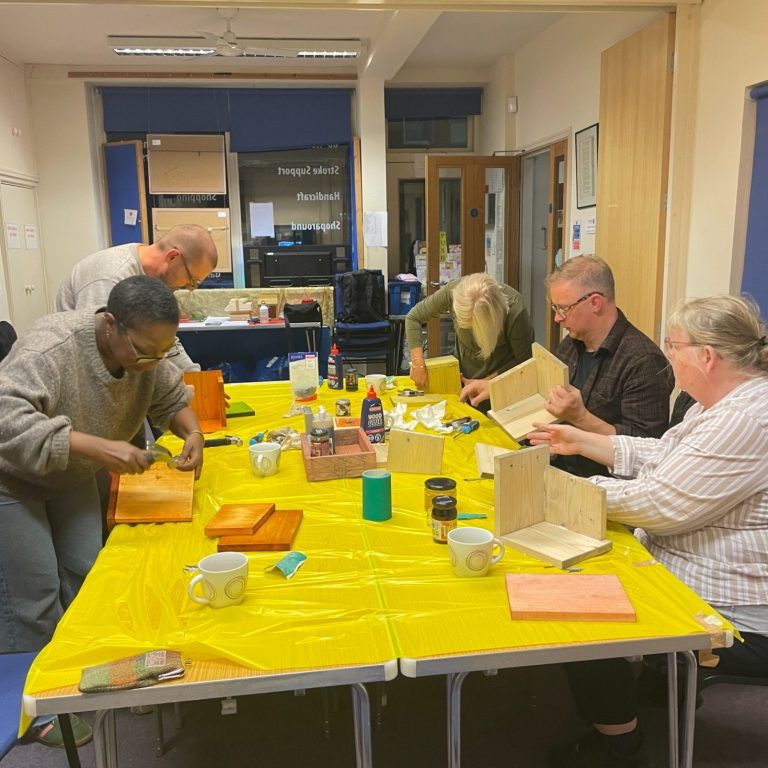
'Interesting, informative, fun'
'Learning amazing things about bees. I was clueless before! I felt inspired to do more with my own garden'
'It was a pleasure! I loved learning about bee types and species and your passion for bees...I feel I've left with a project'
Feedback from some of the community groups I've worked with...
Find out more here
Did you know?
Red Mason Bees are gentle, non aggressive bees, and rarely sting
Get involved
Sign up for our quarterly newsletter for up to date information on how we are helping the bees